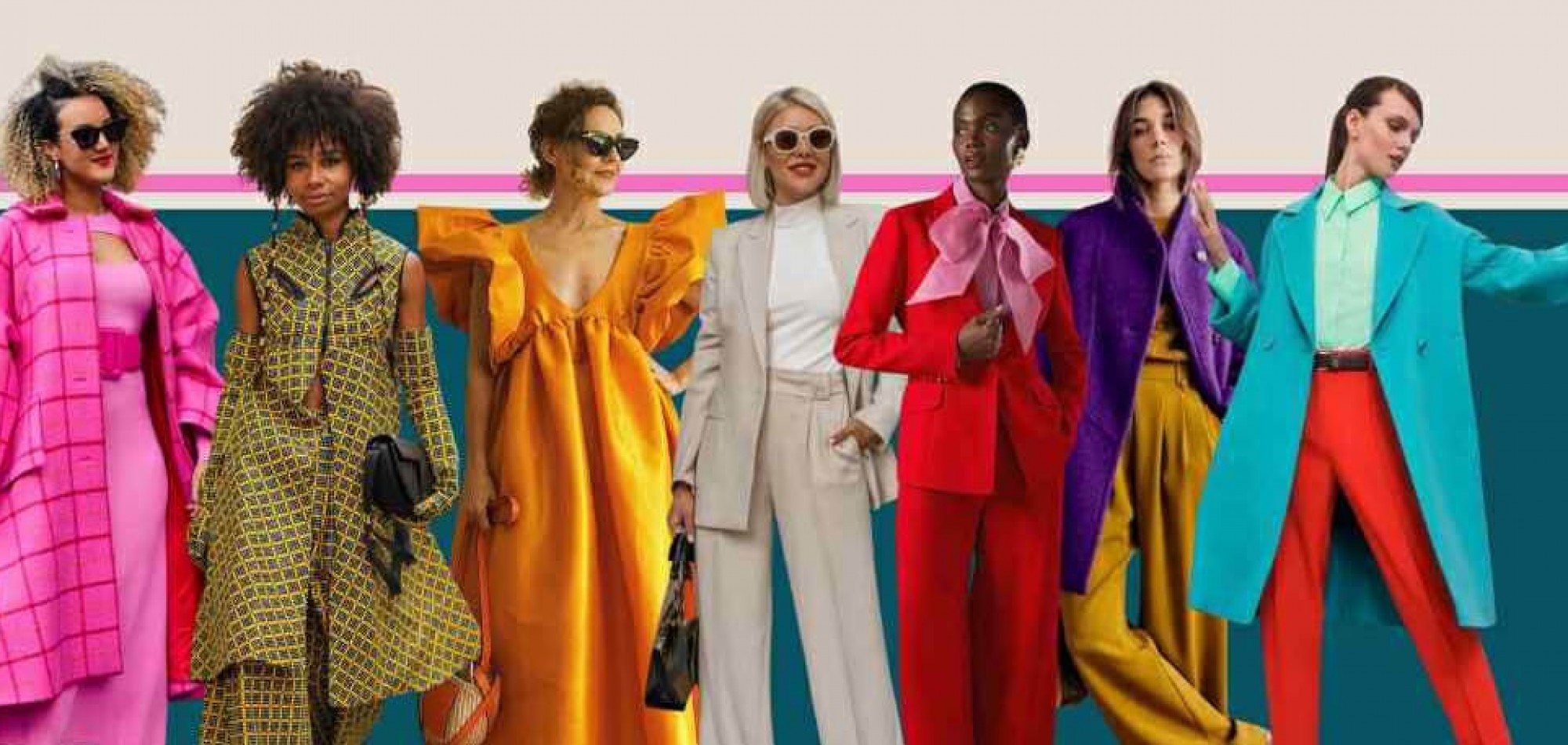

You show up to a meeting, a stage, a networking event or even your laptop camera and within seconds, people have already formed an impression of you.
And the fact is: it's not what you say. It's not your credentials.
It's your clothes.
Science calls it thin-slicing - the brain's lightning-fast way of interpreting visual cues.
Psychology calls it non-verbal branding.
And together, they explain why what you wear can either amplify your authority and confidence... or silently undermine it.
The science bit
When someone sees you, their brain processes visual information in milliseconds.
This rapid assessment isn't conscious. It's biology. Some call it 'human nature' but basically, the brain is simply looking for clues to decide who you are and how to place you.
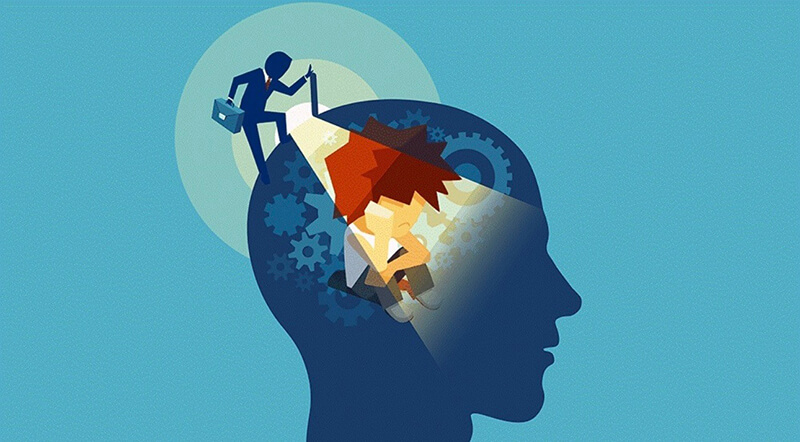
The psychology bit
Clothing tells a story, whether or not you've chosen that story intentionally.
The Clothing & Perception Matrix shows the 8 key clothing cues that shape how people see you and what they might be saying on your behalf.

1. Colour
Bright = approachable, creative
Dark/neutral = serious, authoritative
First thing the brain processes.
2. Fit & Cut
Wel fitted = confident, competent
Poor fit = careless, flippant
Shapes influence body perception.
3. Formality Level
Formal = professional, high-status
Casual = relaxed, friendly
Triggers role/status assumptions.
4. Fabric & Texture
Smooth = luxury, elegance
Rough/natural = earthy, creative
Texture cues value a lifestyle.
5. Grooming & Condition
Well-kept = trustworthy, organised
Messy = unreliable, 'sloppy'
Neatness primes positive behaviour assumptions.
6. Accessories
Minimal = focused, efficient
Statement = bold, creative
Accessories tell nonverbal stories.
7. Brand Signals / Logos
Designer = high-status, affluent
Unbranded = neutral, approachable
Status cues influence credibility.
8. Cultural or Style References
Vintage/streetwear/classic = different tribe signals
Style signals belonging, rebellion, or independence.
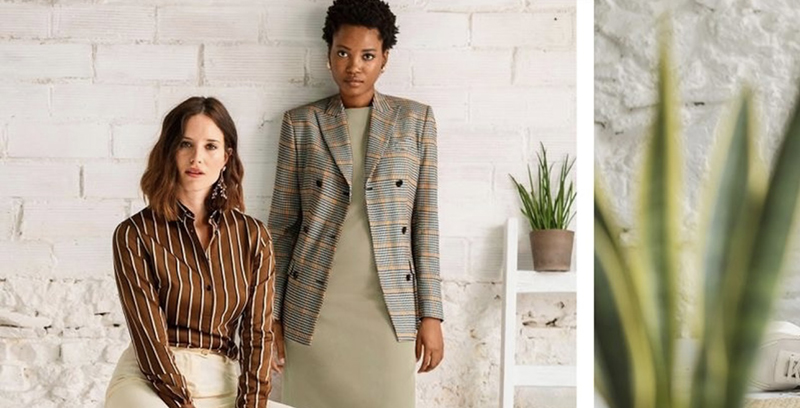
So, why does this matter to business owners & leaders?
Well, the uncomfortable truth is that your expertise alone is not enough.
You can be brilliant at what you do. You can have decades of experience, impeccable credentials, and life-changing, transformational results for your clients. But if the way you present yourself doesn't match the authority you've earned, people will subconsciously place you in a smaller box than you deserve.
That's not vanity. That's psychology.
Every time you walk on stage, sit down for a podcast interview, step in front of a camera, or show up online, you're being silently evaluated. And yes this does feel uncomfortable because nobody wants to feel judged or to feel they are judging others, but science and psychology tell us otherwise.
Your clothes are already making the introduction for you. They're telling a story about who you are and what you stand for, whether or not it's the one you would choose.
So, the question becomes: are you leading with intention... or leaving that first impression up to chance?
Clothing isn't about following fashion rules or trying to look the part. It's about alignment, about ensuring the external matches the internal. When what you wear reflects who you truly are, your values and the identity you want others to recognise, everything changes You don't just wear confidence you radiate it. You step into a presence that cannot be ignored. Some will resonate with your presence, others won't but that's the magnetic magic of client attraction. Some you will attract, some you will repel. And that's ok, it's about finding your people. Following somebody else's stereotype of will foster misalignment and destroy that all powerful authenticity.
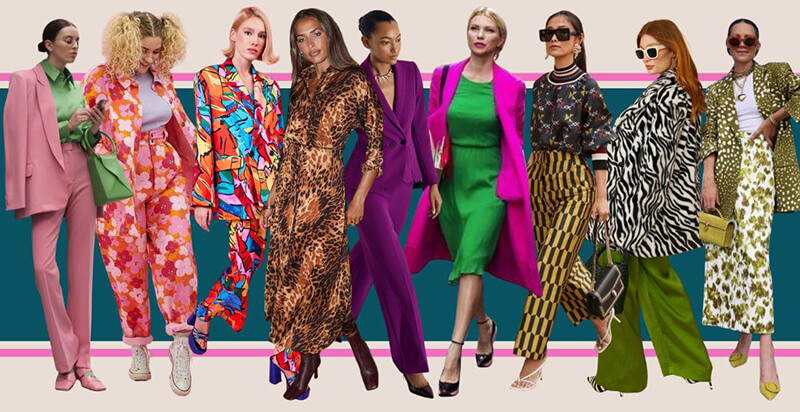
I'd love to hear - which of the 8 cues in the Clothing & Perception Matrix is speaking the loudest in your style right now?
And if you're ready to stop leaving your presence to chance and start leading with intention, l'd be delighted to guide you. Send me a message, and let's explore how you can align your style with the story you truly want told.
